Prince dhawan

Psychotherapy Blog

Prince Dhawan

Astro Psychologist in Delhi

My Journey: Exploring Astro-Psychology, Palmistry, and Beyond Namaskar! My story begins with fond memories of my grandfather. A bright man and an Irrigation Engineer, he was also a seeker of the mystical. Though he didnโ€™t practise often, I recall moments when he would captivate me with mythological tales, discussions on planets, and his rare forays into palmistry. He was a devoted Sikh, yet his reverence for Shiva ran deep, creating a unique blend of faith and curiosity. From a young age, I found myself drawn to Astrology, Palmistry, Metaphysics, and ESP (Extra Sensory Perception). The mysteries of parapsychology fascinated me, igniting a lifelong passion to explore the unseen and the unknown. Early Influences As I grew older, I had the fortune of meeting learned astrologers and palmists, including Mr. Kaul – a high ranking government official, who left an indelible mark on my journey. His teachings on palmistry, planetary influences, and the concept of karma deepened my understanding and fueled my interest in the occult sciences. Astrology and Disillusionment Like many seekers, my path was not without its trials. I spent significant amounts of money on astrologers and remedies, hoping to resolve the challenges I faced. None of them seemed to work. One particular incident stands out. I visited a renowned astrologer in Delhi during a turbulent phase in my life. He charged a hefty fee for a ritual and recommended a gem stone, promising it would change my fortunes. Instead, my life took a darker turnโ€”I lost my father, a tragedy he hadnโ€™t foreseen. That moment marked the end of my dependence on traditional astrologers and pushed me to seek deeper truths. The Intersection of Psychology and Astro-Psychology While pursuing my Masters Degree in Psychology, I couldnโ€™t shake the belief that conventional psychology alone was insufficient to address the complexities of human suffering. This perspective often put me at odds with my peers, but my conviction remained steadfast. I realised that most people seeking therapy werenโ€™t just looking for solutionsโ€”they wanted answers. Why am I feeling this way? Why is this happening to me? Conventional psychology, rooted in research and data, often relies on client inputs. However, I believed that blending psychology with astrology, parapsychology, and metaphysics could uncover deeper insights. The Moon and the Mind The moon has always fascinated me. I remember lying in the courtyard of my ancestral home, gazing at it in wonder. In Indian culture, the moon is central to festivals, auspicious timings (Muhurats), and mythological stories. In astrology, the moon governs the mind and thought processes – What we think, memories, perception & subconscious. An afflicted moon, in association with certain planets, is believed to contribute to cognitive distortions and mental health challenges like depression, anxiety, overthinking, and phobias. This understanding added another layer to my therapeutic approach. Applying Astro-Psychology In 2019, I began assisting friends, colleagues, and relatives using the tools of astro-psychology and parapsychology, which I have been practising for a few years now. The results were remarkable. These experiences solidified my belief in the power of these unconventional tools. A New Chapter In 2022, I transitioned to practising therapy full-time along with successfully running an HR Enterprise for close to 15 years. This journey has been nothing short of extraordinary, bringing me closer to the truth that observation leads to understanding, and understanding leads to healing. Today, I assist individuals in resolving relationship issues, addressing childhood trauma, and managing grief. Each person I work with teaches me more about the profound interplay between psychology and the cosmic forces that influence us. To all who have believed in me, thank you. Your trust and encouragement have allowed me to embark on this incredible journey of discovery, healing, and growth. With gratitude,Prince Dhawan

Astro Psychologist in Delhi Read More ยป

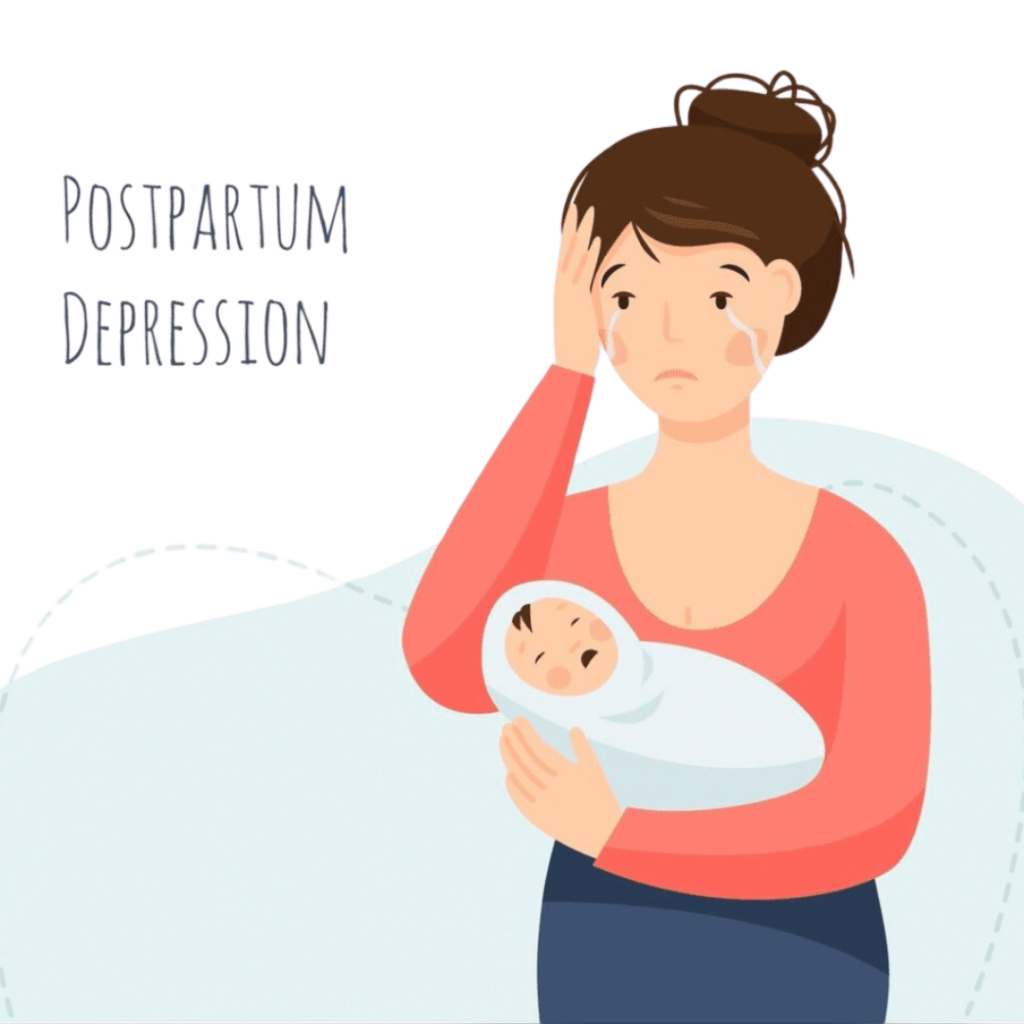
Postpartum Depression

A Brief Approximately one in seven women may experience postpartum depression or a mood disorder within the first year after childbirth. This mental health condition can stem from various factors, including hormonal shifts, genetic predisposition, environmental influences, and family dynamics. However, many cases go unaddressed due to stigma, lack of awareness, denial, or feelings of guilt. I had firsthand experience with postpartum depression when my wife gave birth to our child. Although I was aware of this mental health condition as a therapist, supporting my wife during her first nine months after a C-section brought new insights. What helped my wife immensely was her ability to recognize the drastic changes in her mood and speak openly about them. Childbirth is no easy task; a womanโ€™s body and mind undergo profound changes both during and after delivery. Addressing postpartum depression and mood issues is crucial, and the first, most important step is awareness. Postpartum depression often surfaces within the first two months postpartum, as the body and mind struggle to adapt to the transformation. Contributing factors include lack of time for self-care, sleep deprivation, disruptions to eating and exercise routines, insufficient support from a partner or family, and a persistent sense of irritability or exhaustion. While postpartum depression is often situational, it can become severe in some cases. โ€˜As both a therapist and a husband, I highly encourage expressing your thoughts and feelings and addressing postpartum depression or mood issuesโ€”even if they seem mildโ€”within the first 2-4 months after childbirth, without fear of judgement.โ€™ This mental health exercise can make a significant difference, helping you maintain a positive mindset and overcome challenges to create a supportive environment for both yourself and your child. Whether through virtual, phone, or in-person support, donโ€™t hesitate to reach out. Acknowledge what youโ€™re experiencing and take steps to address it.

Postpartum Depression Read More ยป

What Is Grief Therapy?

Grief is a natural response to loss, but it can be an overwhelming and isolating experience. Whether it’s the loss of a loved one, a significant life change, or any other form of deep sorrow, grief therapy offers a supportive space to process these intense emotions. Grief therapy is a specialised form of counselling designed to help individuals navigate the complex emotions associated with loss. Unlike general therapy, grief therapy focuses specifically on the stages of griefโ€”denial, anger, bargaining, depression, and acceptanceโ€”and helps individuals move through these stages at their own pace. The goal is not to rush the healing process but to provide a safe environment where one can explore their feelings, memories, and the impact of their loss. How Grief Therapy Can Help Who Can Benefit from Grief Therapy? Grief therapy is beneficial for anyone struggling with loss, whether recent or long ago. It’s particularly helpful for those who feel stuck in their grief, are experiencing complicated grief (a prolonged and intense form of grief), or are dealing with multiple losses. It can also support those facing anticipatory grief, which occurs before an impending loss. My Approach! The therapeutic process designed by myself is highly individualised, recognizing that each person’s experience of grief is unique. Sessions may involve talking through memories, exploring feelings, or engaging in creative expressions of grief. “My purpose is to help you navigate your grief and find a way to move forward. This therapy provides a safe space to talk, process your emotions, and release what’s holding you back. Life is too short to remain stuck in the pastโ€”let’s work together to help you heal and embrace the future.” The Healing Effect Grief therapy is not about forgetting or “moving on” but about learning to live with loss without any guilt & in a way that honours your loved one and allows you to find joy and meaning again. Healing is a journey, and grief therapy offers compassionate guidance to help you navigate this difficult path. Conclusion If you’re struggling with grief, know that you don’t have to face it alone. Grief therapy offers a supportive space where you can express your feelings, work through your pain, and find a way forward. Whether you’re dealing with recent loss or unresolved grief from the past, I am here to help you heal and rediscover hope.

What Is Grief Therapy? Read More ยป

You cannot copy content of this page

error: Content is protected !!
Scroll to Top