Prince dhawan

Psychotherapy Blog

Relationship Counselling with Astrology

Relationship Counselling with Astrology

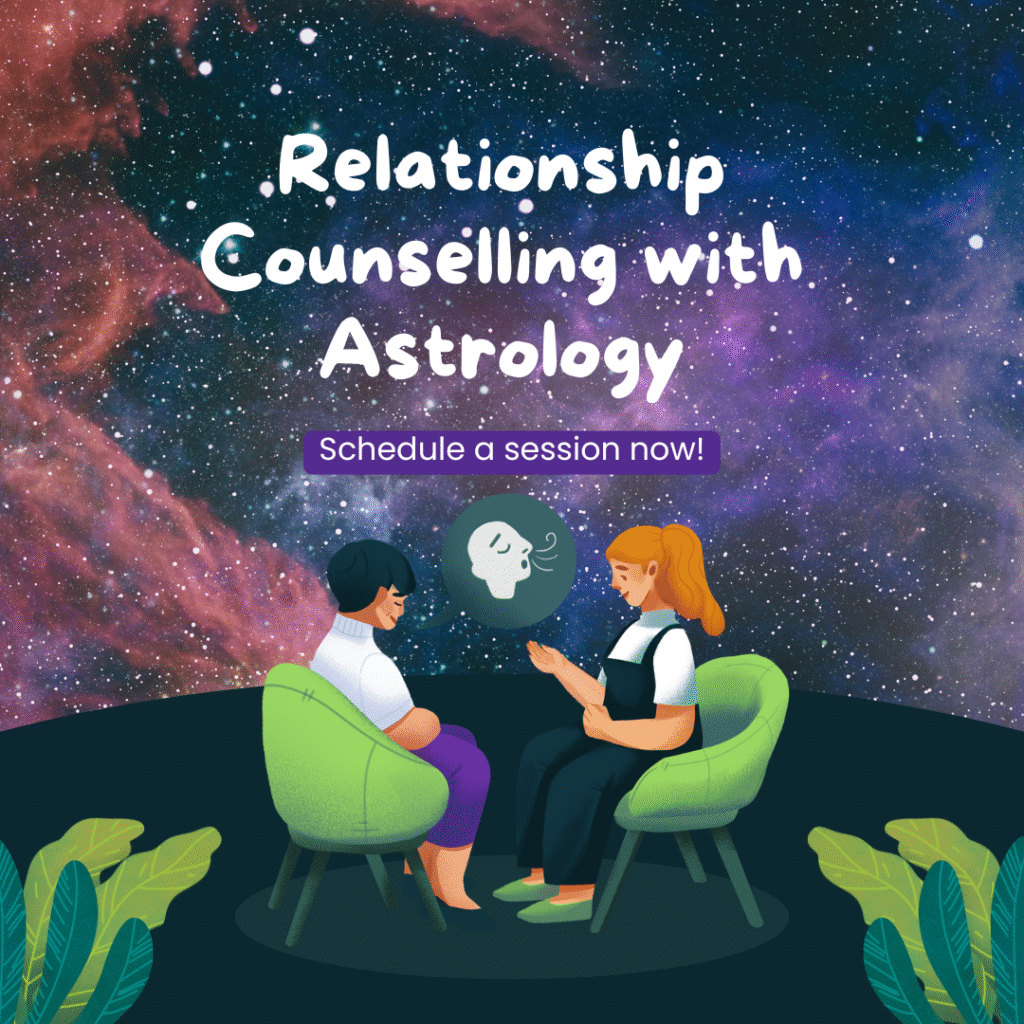
Therapy Beyond the Surface: How I Blend Astro-Psychology, Parapsychology & Observational Psychology to Heal the Human Mind. The Vision Behind My Counselling Practice When I began my counselling journey, I wasn’t just driven to “help people feel better.”I wanted to understand them at their core — beyond standardized assessments and superficial emotional markers. Over time, I realized that most traditional psychological assessments capture only a snapshot of the mind.A person may seem emotionally stable on a good day and anxious or withdrawn on a bad one. But our emotional states shift — sometimes hourly. That’s why drawing conclusions from a single assessment can be misleading. Before any session, I invest time in studying my clients deeply — not just their demographics or presenting concerns, but their life patterns, emotional narratives, and even the unseen influences shaping their inner world. I often review: Their demographic and family background Photographs and life timelines to understand behavioral evolution Their astrological and psychological blueprint (through astro-psychology) And their emotional perception of key life experiences This preparation is extensive — sometimes more time-consuming than a session itself — but it ensures that when I sit across from a client, I’m not just hearing them; I’m reading their entire emotional and energetic story. A Case That Reaffirmed My Approach Recently, I worked with a couple struggling with ongoing friction.The husband, though successful, often projected his frustrations onto his wife — a driven, caring woman balancing her career and motherhood with remarkable dedication. Despite her efforts, he constantly felt “unseen” and “unsupported.”When I studied his emotional history, a deeper layer emerged: he had lost both parents early and was raised by grandparents who tried to protect him from pain. This created an emotional void — a need for validation he unconsciously carried into adulthood. Through astro-psychological mapping, I discovered an afflicted Moon — symbolizing deep emotional vulnerability and attachment issues.His wife’s chart showed strong Martian and Venusian energies — reflective of her clarity, independence, and pragmatic emotional responses. Through observational psychology, I noticed his constant need for reassurance in subtle, everyday ways.And with parapsychological insights, I helped him revisit suppressed childhood imprints — enabling emotional release and self-compassion. Today, he continues therapy, working toward emotional autonomy, while his wife — who also stays in touch — shares how therapy helped her understand his pain rather than take it personally. Their relationship is gradually shifting from conflict to conscious connection. Where Psychology Meets Energy, Emotion & Evolution In my practice, therapy is not just solace — it’s a roadmap.A roadmap that helps clients move from confusion to clarity, from emotional patterns to conscious choices. By integrating: Astro-psychology → decoding karmic and emotional blueprints Parapsychology → understanding subconscious and energetic patterns Observational psychology → analyzing real-world behaviors and emotional cues …I help clients uncover the why behind their emotions, not just the what. Because true healing is not about numbing pain, but cleansing it — emotionally, mentally, and spiritually.It’s about reprogramming limiting belief systems, replacing emotional dependency with awareness, and evolving from reaction to reflection. Therapy with a Purpose In every session, my goal is transformation — not temporary relief.Healing, to me, is both an art and a science. It begins with understanding the psyche, and unfolds through presence, compassion, and conscious re-alignment. Because healing isn’t just about feeling good —It’s about feeling whole again.

Relationship Counselling with Astrology Read More »

Therapist in Delhi

Why Therapy is Not Just CBT: The Deeper Healing We All Need “Maybe I need therapy…”We’ve all heard someone say that — sometimes as a joke, sometimes as a half-confession wrapped in laughter. But behind that casual remark often lies a silent yearning — a desire to feel lighter, more in control, and to understand emotions that never seem to find their rightful place. In today’s fast-paced, hyper-connected world, people are aware of therapy, but still hesitant. The stigma, misconceptions, and the fear of being judged continue to hold many back. Yet, those who finally take that step often say the same thing after their very first session:“I feel like a weight has lifted off my shoulders.” So, what changes in that one hour of conversation?Let’s dive deeper. Therapy Is Not Just About Talking – It’s About Understanding One of my clients, a 31-year-old woman — intelligent, well-read, and successful — once came to me with skepticism. She told me outright, “I need CBT. Do you do Cognitive Behaviour Therapy?” My answer was simple:“I do much more than just CBT.” Cognitive Behaviour Therapy (CBT) is powerful. It helps individuals identify and change distorted thought patterns that influence emotions and actions. But before we change a thought, we need to know why it exists — what experiences, memories, or unresolved emotions are shaping that perception. That’s where therapy becomes more than a formula — it becomes an exploration. Blending Psychology with Depth: Beyond Conventional Therapy In my practice, I integrate Astro-Psychology, Para-Psychology, Observational Psychology, and elements of Spiritual Insight to uncover the deeper roots of a person’s emotional and cognitive state. These tools allow me to go beyond surface-level behaviour and into the subconscious layers — the places where emotions, memories, and unprocessed pain silently live. When therapy combines scientific frameworks like CBT and DBT (Dialectical Behaviour Therapy) with intuitive and spiritual depth, something profound happens. The process becomes transformative rather than merely corrective. You begin to see patterns, not just problems.You understand your triggers, not just suppress them.And most importantly, you learn to reconnect with your authentic self. Why Therapy is the Gym for Your Mind We live in times where we invest time and money in our physical health — gym memberships, yoga sessions, superfoods. Yet, mental well-being often takes a back seat. Your mind, just like your body, needs maintenance. Therapy helps you: Process buried emotions that silently shape your reactions. Build resilience against anxiety, stress, and burnout. Heal childhood wounds that influence adult relationships. Understand your patterns in love, work, and decision-making. Grow emotionally and become more self-aware. Therapy is not a luxury; it’s a necessity. It’s an act of courage — of choosing to evolve rather than escape. Breaking the Stigma: Therapy is for Everyone Contrary to the old belief, therapy is not just for those who are “struggling.”It’s for anyone who wants to understand themselves better and live with more peace, clarity, and purpose. The woman I mentioned earlier, who once approached therapy with doubt, later told me something that has stayed with me: “I used to think therapy was about fixing problems. Now I realise it’s about discovering myself.” That is the essence of good therapy — to help you rediscover parts of yourself that you’ve lost in the noise of daily life. Final Thought Human emotions cannot always be decoded through logic alone. True healing comes when we blend science and soul, reason and intuition, psychology and spirituality. When therapy becomes a space that honours both the mind and the spirit, transformation begins. You don’t just heal; you evolve. About the Author Prince Dhawan is a Counselling Psychologist based in Delhi-NCR, known for his integrative approach that bridges Vedic wisdom with modern psychology. His therapeutic practice blends Astro-psychology, Parapsychology, Cognitive Behaviour Therapy (CBT), and contemporary Psychotherapy to help individuals navigate trauma, grief, and relationship challenges with deeper awareness and lasting transformation. Prince is also associated with several reputed organizations as a Consultant Psychologist, where he leads initiatives to enhance the mental and emotional well-being of employees through reflective, evidence-based, and holistic interventions.

Therapist in Delhi Read More »

How to rebuild self-worth after breakup

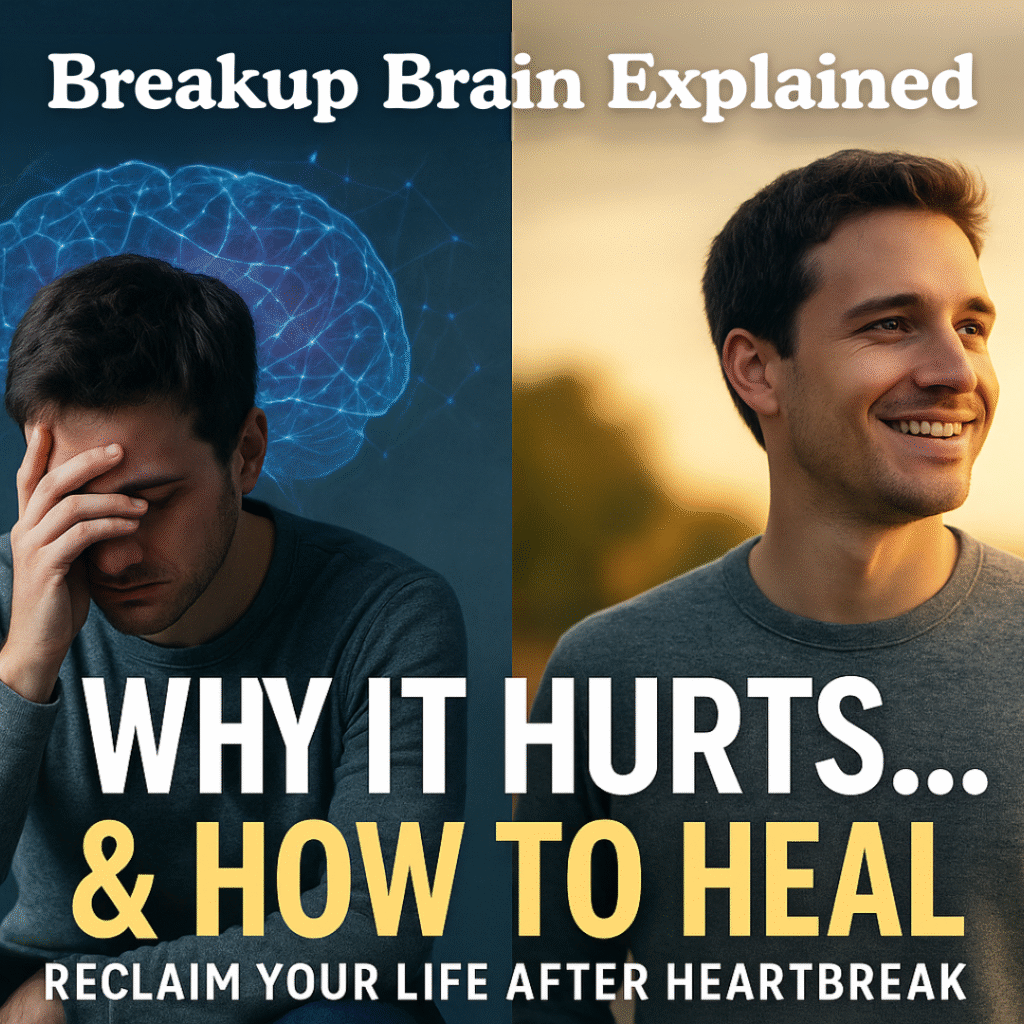
What Really Happens to Your Brain After a Breakup—And How to Reclaim Your Life Breakups—whether in personal & romantic relationships or deep friendships—don’t just hurt emotionally. They rewire your brain. And if you’ve ever felt like your world has collapsed after a breakup, you’re not overreacting. You’re simply human. In 2025, relationship experts and neuroscientists alike agree: heartbreak is not just a metaphor—it’s a neurochemical storm. The Brain on Breakup: Why It Feels Like the End When a relationship ends, your brain goes into withdrawal. Studies show that romantic love activates the same brain pathways as addictive substances like cocaine. The neurotransmitter dopamine—linked to pleasure and reward—surges when you’re with someone you love. And when that person leaves, the brain panics. You experience a dopamine crash, followed by heightened cortisol (stress hormone) levels and reduced oxytocin (bonding hormone). This results in: Racing, obsessive thoughts Panic attacks Insomnia or oversleeping Loss of appetite or emotional bingeing Difficulty focusing or feeling joy Your prefrontal cortex, which governs rational decision-making, temporarily weakens, while the amygdala, the brain’s fear center, becomes hyperactive. The result? You imagine catastrophic futures where you’re unloved, alone, and unwanted. This is why so many people report feeling like they “can’t survive” after a breakup. Why “Moving On” Isn’t a Switch You Flip Clients who walk into therapy post-breakup often carry an invisible weight—the guilt of not bouncing back quickly enough. Society tells them to “let go” or “just move on,” but the brain doesn’t work that way. Recovery isn’t just about forgetting someone—it’s about: Rewiring attachment pathways Rebuilding self-worth Restoring the ability to feel emotionally safe again And this can take time. But it is always possible. The Role of Therapy: Holding the Mirror, Not the Mic As a therapist, I meet individuals who’ve stopped seeing value in everything else they once loved—career, family, hobbies, even themselves. They are grieving not just a person, but the imagined future, identity, and routines tied to that relationship. In therapy, we slowly uncover: Was the relationship truly mutual? Were you giving more than you were receiving? Is your pain about the person, or the void they left behind? This journey requires empathy, truth, and often, the involvement of close friends or family to rebuild emotional scaffolding. But eventually, we arrive at a place where grief no longer feels like a full-time job. Breakups Hurt. But They Also Reveal Your Strength. Here’s the truth most people forget while grieving: It’s not your fault someone couldn’t value your love. You are not unlovable because someone couldn’t love you right. Your pain is temporary, but your potential is permanent. The brain can heal. Neuroplasticity ensures that you can rebuild emotional safety, trust, and hope. What feels like the end is often a redirection—a return to yourself. Final Words: Your Life Didn’t End. It Just Got Rewritten. If you’re struggling after a breakup or friendship fallout, remember: Your value isn’t defined by who stays or leaves. It’s defined by who you become, even in their absence. Healing is not forgetting. Healing is remembering without collapsing. Your brain will catch up with your heart. And both will thank you for not giving up.

How to rebuild self-worth after breakup Read More »

Relationship Therapist

Relationship Counselling Professional relationship counselling in Delhi by Prince Dhawan helps couples rebuild trust, resolve conflicts, and reconnect emotionally. Book a session today. Professional Relationship Counselling in Delhi | Heal with Expert Couple Therapist Why Choose Relationship Counselling in Delhi with Prince Dhawan? When it comes to resolving relationship challenges, choosing the right therapist is crucial. Prince Dhawan offers a unique blend of professional expertise, cultural sensitivity, and intuitive insight—making him one of the most trusted names in relationship therapy in Delhi. As an astro-psychologist and counselling expert, Prince Dhawan understands that modern relationships are complex. Whether you’re facing emotional disconnect, frequent arguments, lack of intimacy, or trust issues, his therapy sessions are designed to heal, rebuild, and reconnect. 🌿 What Sets Prince Dhawan Apart? Astro-Psychological Approach: A rare combination of astrology and psychology to understand the emotional patterns beneath the surface. Non-Judgmental & Confidential Space: You’re heard, understood, and supported—without judgment. Delhi-Centric Expertise: Deep understanding of urban stressors, cultural expectations, and evolving relationship dynamics specific to couples in Delhi. Flexible Consultation Modes: Online and in-person therapy options for your convenience and comfort. Goal-Oriented Sessions: Focused on practical tools and long-term growth—not just temporary relief. Whether you’re married, engaged, dating, or in a complicated phase—Prince Dhawan’s relationship counselling in Delhi empowers you to express, reflect, and reconnect meaningfully. 🧠 “Therapy isn’t about fixing people—it’s about helping people grow together.” – Prince Dhawan Best Marriage Counsellor in Delhi Relationships can break under stress, miscommunication, or trust issues. Prince Dhawan offers unique relationship counselling in Delhi combining therapy and astro‑psychology to help couples heal and rebuild love. Are You Struggling in Your Relationship? You’re not alone. Every relationship faces challenges—but healing, understanding, and deep connection ARE POSSIBLE. Do you feel unheard, unappreciated, or disconnected from your partner? Do small arguments escalate into big fights, leaving you emotionally drained? Are trust issues, past emotional wounds, or communication gaps affecting your relationship? Do you feel like your emotional needs are not being met, leading to frustration and loneliness? Are you struggling to rekindle the intimacy and connection you once had with your partner? Do misunderstandings and assumptions create distance, making it hard to express your true feelings? Are you looking for expert guidance to rebuild trust, improve communication, and strengthen your bond? Signs You Need Relationship Counselling in Delhi Constant arguments Communication gaps Emotional disconnect Pre-marital doubts How Couples Therapy Can Help You ? At Prince Dhawan Counselling Practice, I believe that every relationship has the potential for healing, growth, and deeper connection. My approach focuses on identifying the root cause of relationship struggles and providing practical, lasting solutions. Improve communication & conflict resolution Rebuild trust & emotional intimacy Heal from past wounds & unresolved trauma Strengthen understanding & partnership Whether you’re dating, engaged, married, or in a long-term relationship, therapy provides a safe space to reconnect, rediscover, and rekindle the love you once had. What Makes My Approach Unique? Astro-Psychological Relationship Analysis Relationships are complex, influenced by both psychological patterns and cosmic energies. I integrate astro-psychology, psychotherapy, and psychoanalysis to assess relationship dynamics from multiple perspectives. This approach helps uncover deep-seated emotional triggers and hidden conflicts, paving the way for resolution with minimal distress. Each case is unique, and so is my process. Whether you’re struggling with communication gaps, trust issues, emotional disconnect, or unresolved trauma, I help you navigate these challenges with clarity and confidence. Solution-Oriented & Actionable Guidance I don’t just offer emotional comfort—I provide a clear, structured approach to help you navigate marital discord or relationship struggles. My goal is to guide you toward effective solutions, helping you build a relationship based on understanding, trust, and mutual respect. Complete Confidentiality & Discretion Seeking therapy is a deeply personal decision, and I ensure that your privacy is protected at every step. Many individuals reach out discreetly, feeling stuck or emotionally drained in their relationships. Your peace of mind and confidentiality are my top priorities. What Makes Our Relationship Counselling in Delhi Different? What Makes Our Relationship Counselling in Delhi Different? Focus on: Personalized therapy Hybrid online/in-person sessions Cultural sensitivity Astrology + psychological support

Relationship Therapist Read More »

Mindfulness for mental health

Healing Depression & Anxiety Without Pills Depression and anxiety are among the most common struggles of our generation. In 2025, more people than ever feel overwhelmed by racing thoughts, emptiness, or a constant knot in the chest. While medication can be life-saving for some, psychology reminds us: healing doesn’t always begin with a pill. It often begins with understanding your mind, your habits, and your hidden patterns. Below are 6 powerful psychological strategies that can help you reclaim calm and resilience—without being dependent on medication. Break the Isolation Loop When you’re depressed, your brain convinces you to withdraw. This self-protection instinct backfires—loneliness magnifies the pain. Psychological Insight: Social connection increases oxytocin and serotonin, both natural mood stabilizers.  Try this: Commit to one conversation a day with a safe person. Even a 5-minute chat reduces feelings of aloneness. Micro-Movements Matter More Than Motivation Exercising for 45 minutes may feel impossible when you’re down. But neuroscience shows that even tiny physical movements regulate the nervous system. Why it works: Movement lowers cortisol (stress hormone) and signals your amygdala that you’re safe.  Try this: Stretch for 90 seconds. Walk to your balcony. Roll your shoulders. Each act is a small message of safety to your brain. Rewire Your Inner Voice Depression and anxiety often recycle the same negative scripts: “I can’t cope. I’m failing. Nothing will change.” Psychological Insight: The brain doesn’t distinguish between repeated thoughts and reality. Words literally carve new neural pathways.  Try this: Replace self-critical loops with gentler alternatives. “I’m failing” → “I’m learning.” “I can’t cope” → “I’m coping right now.” Anchor Yourself in the Present Anxiety thrives in the “what ifs” of the future. The fastest antidote is returning to the here and now. Why it works: Grounding techniques calm an overactive amygdala and activate your parasympathetic nervous system (the “rest and digest” mode).  Try this: The 5-4-3-2-1 method 5 things you see 4 things you hear 3 things you touch 2 things you smell 1 thing you taste Treat Sleep as Therapy Many underestimate the role of sleep in mental health. Yet, your brain uses sleep to detoxify, regulate emotions, and consolidate resilience.  Psychological Insight: Poor sleep worsens anxiety by amplifying amygdala reactivity. Deep sleep, on the other hand, strengthens emotional regulation.  Try this: No screens 1 hour before bed. Replace doom-scrolling with reading, journaling, or calming music. Create rituals (warm tea, soft light) to signal your brain: “It’s time to repair. Rediscover Purpose—In Small Doses Depression often whispers: “Nothing matters.” But research shows that even tiny actions of purpose help rebuild hope. Why it works: Purpose activates the brain’s reward circuits, releasing dopamine (the “motivation” chemical).  Try this: Water a plant. Write one kind word to someone. Note one thing you’re grateful for today. Depression and anxiety shrink your world. But every small act of care expands it again. Medication has its place. But for many, healing is not about suppressing symptoms—it’s about listening to what the symptoms are trying to tell you.  Your anger may be masking hurt.  Your anxiety may be asking for safety. Your sadness may be pointing to lost meaning. Healing begins not with pills, but with courage. The courage to take one small step today.  You are not broken. You are becoming.       

Mindfulness for mental health Read More »

Anger is rarely the villain

👉 Anger is rarely the villain—it’s the mask covering a wound we’ve been avoiding. ✅ As a therapist, I’ve seen that anger often disguises something deeper—hurt, childhood grief, or unmet longing. In Indian mythology, Duryodhana’s rage wasn’t born from Draupadi’s marriage; it was rooted in a childhood of expectations, love, and entitlement denied. 👉 Neuroscience backs this up. When anger strikes, the amygdala (our brain’s alarm bell) goes into overdrive while the prefrontal cortex takes a back seat—making irrational anger reactions more likely.Verywell Mind 👉 Left unchecked, these emotional storms harm us physically—raising blood pressure, increasing heart disease risks, and fraying our most meaningful relationships.New York PostVerywell Mind. 👉 But here’s the good news: we can change how we respond. ✅ Evidence-Based Tips to Break Free from Anger:✅ Breathe to reset—deep, belly breathing calms both brain and body.The Times✅ Reframe your story—question the accuracy of your triggers.The Times✅ Ground your attention—use sensory exercises like the 5-4-3-2-1 technique to disengage from anger. The Times👉 Choose compassion over judgment—softening your reaction shifts your inner weather. The Times of India👉 Conclusion:Anger is not the enemy—it’s a message. When we listen to it instead of lashing out, we heal what’s really broken. If you’d like to explore healthy ways to process those emotions, therapy offers a path toward peace.

Anger is rarely the villain Read More »

When Saturn Retrogrades… So Does Your Inner Peace?

When Saturn Retrogrades… So Does Your Inner Peace? Let’s talk. Not to the stars—with them. Welcome to a counselling space where we don’t just talk about your childhood wounds—we track when they were astrologically triggered. Where “you’re not yourself lately” could mean unresolved trauma…or North Node (Rahu’s) been partying with Moon in your 12th house.(Yes, both matter.)  What You Feel Isn’t Random. Your pain has patterns.Your anxiety has an archetype.Your relationships? They’re repeating for a reason. At my practice, we decode your psychological blueprint with a therapist’s insight and a cosmic lens. Because sometimes, the mind needs both: Freud & Jung Saturn & Mars So What Do We Work On? Inner child wounds + karmic cycles Relationship conflicts + synastry insights Grief, loss, identity crisis + your lunar story Self-worth issues + your natal Saturn placement Anxiety, career confusion, life purpose + your North Node We don’t just “cope” here.We understand why you are the way you are—and help you become who you were always meant to be. Who’s This For? You’re emotionally aware but feel stuck in repetitive loops Therapy helped, but something still feels… unseen You’re curious about astrology, but want it grounded in real healing You crave clarity—not just coping mechanisms  What You Can Expect  Deep psychological work Astro-informed emotional insights Reflection that aligns your inner world with your outer journey Your Mind Is A Galaxy. Let’s Map It. Book a session atwww.princedhawan.comor DM @everyday_psychologist Let’s heal what logic can’t name—and what the stars have been waiting for you to notice.

When Saturn Retrogrades… So Does Your Inner Peace? Read More »

A Therapist’s Guide to Choosing Your Life Partner

Swipes, Signs & Sanity: A Therapist’s Guide to Choosing Your Life Partner (Without Losing Your Mind) Let’s face it. Choosing a life partner today feels like scrolling through Netflix—so many options, but nothing quite feels right.And if you’re swiping left and right hoping for fate to take over… Well, fate could use some help. As a therapist, I often see the after-effects of poorly chosen partnerships—emotional burnout, identity loss, trauma loops, and chronic confusion.But I also witness the healing power of safe, kind, grounded love. So before you commit to a partner, here’s a therapist-approved checklist to help you pick someone you can not only love—but live with. Don’t just ask “Do I love them?” — Ask “Do I feel like myself around them?” Love can be intoxicating. But authenticity is oxygen.If you’re constantly editing yourself—shrinking your voice, filtering your feelings, or walking on eggshells—that’s not love, that’s a performance.  Green flag: You can say weird things, show your insecurities, cry ugly, and they still hold space for you. Choose emotional safety over emotional drama Yes, sparks are great. But stability is sexier than stress.You don’t need someone who makes your heart race in fear of losing them—you need someone who makes your nervous system exhale.  Green flag: You don’t have to guess where you stand. Red flag: You keep second-guessing their intentions. Compatibility isn’t just habits—it’s healing patterns A therapist would ask: Do they trigger your childhood wounds—or help you soothe them? Do they understand your attachment style—or make it worse? Sometimes, we confuse chemistry with trauma familiarity.If you keep picking people who feel “exciting” but chaotic—pause. That may be your trauma talking, not your heart. Shared values > Shared interests Yes, you both love Thai food and murder podcasts.Cute.But… What about your values on money, family, time, boundaries, ambition, mental health, healing, and growth?  Green flag: You can talk about the hard stuff—even if you disagree—and still feel connected. Pick the person who holds a mirror, not a mask A healthy partner reflects your best self back to you—while gently calling out your blind spots.They don’t manipulate.They don’t gaslight.They don’t make you question your reality. They help you grow, not shrink. Look beyond the resume. Ask: “Do they have emotional maturity?” Can they: Apologize without defensiveness? Regulate their emotions? Respect your boundaries, even when they’re disappointed? Because at the end of the day, it’s not their job title or travel stories that determine relationship quality—it’s their emotional intelligence.  Pick someone who chooses you daily, not just desires you occasionally Love isn’t just a feeling. It’s a choice.And the right partner doesn’t just make you feel special on your birthday or anniversary—they show up for the boring Tuesdays, the tired Fridays, and the difficult Decembers. Final Thoughts: Forget the idea of “finding the one.”Instead, ask yourself:Can we become the one for each other, together? You’re not looking for perfection.You’re looking for presence, partnership, and peace. And remember:If you’re still not sure about someone, ask yourself—“Does being with them feel like coming home—or like losing myself?” Choose wisely. Your future self will thank you.  P.S. Want help unpacking your patterns before you pick your partner? Therapy can be the best wingman you never knew you needed.    

A Therapist’s Guide to Choosing Your Life Partner Read More »

How Toxic Relationships Damage Mental Health 

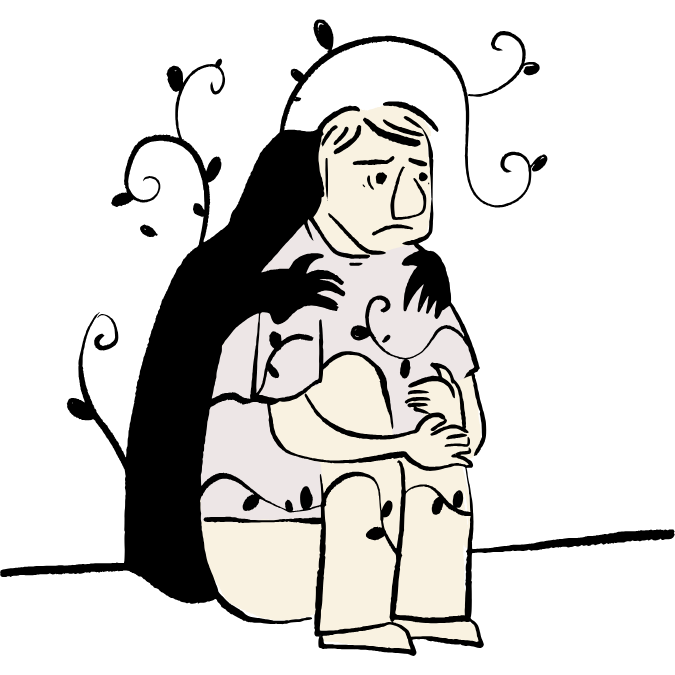
💔 When Love Becomes a Battlefield: How Toxic Relationships Damage Mental Health — And How to Protect Yourself We often romanticize love as the grand savior — the thing that will heal our wounds and complete our story. But what if the very relationship you hoped would bring you peace… slowly starts tearing you apart? Toxic relationships aren’t always loud.They can begin with charm, passion, and promises. But over time, they chip away at your sense of self, distort your reality, and leave you questioning your worth. And the most dangerous part?You often don’t realize the damage until it feels too late.  The Invisible Wounds of Toxic Love Toxic relationships don’t always leave bruises you can see.But emotionally, they can cause: Chronic anxiety — the fear of upsetting the other person or triggering a reaction Low self-worth — constant criticism or gaslighting can make you doubt yourself Depression — isolation, emotional manipulation, or walking on eggshells takes a toll Trauma responses — freeze, fawn, or dissociation become everyday coping tools Loss of identity — you forget who you were before the relationship began It starts subtly — cancelling a plan, apologizing for things you didn’t do, making yourself smaller, quieter, more agreeable. Until one day you look in the mirror and barely recognize who you’ve become. Signs You Might Be in a Toxic Relationship You constantly feel emotionally drained Your needs are always sidelined You fear expressing your opinions You’re often blamed for things outside your control You feel isolated from friends or family You’re caught in a cycle of hope and hurt If these resonate with you — you are not weak. You are human.And you deserve better. Your Emotional Guards: Protecting Your Mind and Heart Here’s how you can start reclaiming your mental and emotional space: Name the Experience Awareness is power.Stop normalizing red flags. If you feel disrespected, unloved, or constantly on edge — don’t minimize it. Call it what it is. Set Emotional Boundaries Boundaries are not barriers. They are bridges to healthy connection.Define what is not okay with you — and honor it, even if others don’t. Stay Connected to Safe People Toxic relationships thrive in isolation.Reach out to friends, mentors, or a therapist. Let someone reflect your reality back to you. Affirm Your Worth — Daily Toxic love convinces you that you’re unlovable.Remind yourself: I am enough. I am worthy of respect. I am allowed to have needs.  Seek Professional Support You don’t have to carry this alone.Therapy can help you untangle confusion, break the trauma bond, and rebuild your sense of self. Make a Plan to Exit (If Needed) Sometimes healing requires distance.If the relationship continues to harm you despite your efforts, it may be time to walk away — not in weakness, but in self-preservation.  Healing Isn’t Easy — But It’s Possible Leaving or healing from a toxic relationship can feel terrifying.You may feel guilt, confusion, or deep sorrow.But on the other side of that fear is something extraordinary — freedom. You’ll begin to: Breathe without anxiety Speak without fear Laugh without shame Love yourself — truly  Final Thought: You Deserve More Than Survival — You Deserve Joy A toxic relationship doesn’t define you.It’s a chapter — not your entire story.And no matter how lost you feel right now, you have the right to rewrite your narrative. You were not born to be someone’s emotional punching bag.You were born to feel safe, loved, seen, and free. The first step?Believe that you’re worthy of better.The next?Don’t stop until you find it — or build it.

How Toxic Relationships Damage Mental Health  Read More »

Best therapist for self-esteem in Delhi

“Truly, Madly, Deeply… In Love — With Yourself?!” A mildly sarcastic, highly insightful guide to self-love in the age of Instagram affirmations and emotional burnout. Love yourself. The most overused advice since “Stay hydrated.” But let’s get real: Should you actually love yourself truly, madly, deeply… or is that just a catchy Savage Garden song and a motivational trap? Let’s explore. Stage 1: The Misunderstood Self-Love Somewhere along the way, “self-love” got translated into: Canceling on people (because “my energy was off”), Eating cheesecake at 2 AM (“because I’m worth it”), Avoiding growth (“I accept myself the way I am — toxic and proud”). But here’s the twist — real self-love is not indulgent, it’s intelligent.It’s not about always feeling good. It’s about becoming good for yourself and others. Stage 2: The Psychology of Loving Yourself (Like, For Real) According to psychology, healthy self-love: Builds resilience Improves relationships Reduces dependence on external validation Lowers the risk of anxiety and depression But it must be distinguished from: Narcissism (Me > Everyone) Ego-driven self-worth (I’m lovable only when I succeed) Spiritual bypassing (I’m above all my problems because I chant and use crystals) Stage 3: Clean Your Inner Room Loving yourself means: Holding yourself accountable (you’re not flawless, and that’s okay) Listening to your unmet needs (not just numbing them with retail therapy) Processing your past (even the ugly bits) Setting boundaries (especially with your inner critic)It’s less spa-day and more soul-cleaning. What Loving Yourself Is NOT: Ghosting your therapist because “I’ve outgrown the healing phase” Telling your friends, “I’m just brutally honest,” after emotionally steamrolling them Ending every fight with “This is who I am. Take it or leave it.”  Conclusion: Love Yourself… But Like a Grown-Up So, should you love yourself truly, madly, deeply? Yes — but with humility, humor, and healing.Self-love isn’t a final destination where you suddenly float in bliss. It’s a journey where you own your mess, learn your lessons, and keep choosing compassion over ego. The real romance of life begins when you stop demanding perfection — and start relating to yourself like someone you actually care about. So go ahead — love yourself.But please… skip the motivational wallpaper and start doing the actual work.   Final Thought: Self-love isn’t a feeling. It’s a decision — practiced daily, refined painfully, and lived meaningfully.

Best therapist for self-esteem in Delhi Read More »

You cannot copy content of this page

error: Content is protected !!
Scroll to Top