Prince dhawan

prnc_dhwn

Couples Therapist in delhi

Couples Therapy

Signs You Need Relationship Counselling: When Love Needs a Safe Space Most couples donโ€™t seek counselling when things are โ€œbadโ€โ€”they seek it when communication has started to break down, when connection feels strained, and when love feels more like effort than ease. The truth is, needing help doesn’t mean your relationship is broken. In fact, the willingness to seek support is often a sign of strength, not weakness. Think of relationship counselling not as a last resort, but as a space to understand, heal, and growโ€”individually and together. So how do you know itโ€™s time to consider relationship counselling or mediation? Here are some signs that your relationship may benefit from a therapeutic check-in. 1. Youโ€™re having the same argument on repeat Do you find yourselves locked in the same conflict, again and again, just with different words or situations? Recurring arguments are often a sign of deeper emotional needs going unheard or unmet. Counselling helps uncover whatโ€™s really being communicated beneath the surface of these patterns. 2. Communication feels like walking on eggshells If you or your partner hesitate to speak your truth for fear of triggering a fight, disappointment, or withdrawal, it signals a breakdown in emotional safety. Therapy can help both partners learn how to listen without defence and speak without blame. 3. Emotional or physical intimacy is fading Every relationship goes through seasons, but when physical or emotional closeness starts to feel like a memory rather than a reality, it can leave both partners feeling isolated and misunderstood. Counselling helps reconnect couples through honest vulnerability and intentional effort. 4. Youโ€™re growing, but not together As individuals, we evolve. But if that growth starts pulling you in different directionsโ€”emotionally, mentally, or spirituallyโ€”it can cause unspoken distance. Therapy provides a neutral space to explore whether your growth paths can intertwine again. 5. Trust feels fragile or broken Whether due to infidelity, dishonesty, or emotional distance, a crack in trust can destabilize even the most loving bond. With the right guidance, trust can be rebuiltโ€”but it requires honesty, accountability, and time, all of which can be supported in a therapeutic setting. 6. One (or both) of you feels unseen or unheard You might be talking every day, yet feel lonelier than ever. Feeling emotionally invisible in a relationship can erode the foundation of connection. Counselling helps reestablish emotional attunementโ€”the ability to deeply understand and respond to each otherโ€™s inner world. 7. Youโ€™re staying โ€œfor the kidsโ€ or โ€œbecause of historyโ€ When staying together becomes more about duty than desire, itโ€™s a clear invitation to pause and reflect. Therapy can help couples explore whatโ€™s still possible, what needs to be reimagined, and whether staying together is serving both peopleโ€™s well-beingโ€”or just maintaining the status quo. 8. You want to break old patterns and build healthier ones Even if youโ€™re not in crisis, counselling is a powerful tool for proactive growth. It gives couples the tools to communicate better, fight fair, support each otherโ€™s needs, and strengthen the emotional resilience of their bond. Relationship counselling isnโ€™t about blameโ€”itโ€™s about clarity Too often, couples fear that therapy will โ€œpoint fingersโ€ or assign fault. In truth, a good therapist acts as a bridge, not a judge. The goal is not to decide whoโ€™s right, but to discover whatโ€™s not workingโ€”and to co-create a path forward that honours both individuals. You deserve a relationship where both people feel safe, seen, and supported Sometimes, we all need a little help remembering how to speak each otherโ€™s language. If your relationship is struggling, stuck, or simply needs a reset, relationship counselling can be the space where healing begins. Whether you’re trying to repair, reconnect, or make decisions about the future, support is availableโ€”and you donโ€™t have to navigate it alone. If youโ€™re considering relationship counselling, youโ€™ve already taken the first brave step: acknowledging thereโ€™s something worth tending to. Let therapy be the space where your relationship finds its way back to itself. Prince DhawanRelationship Counsellor | Childhood Trauma Therapist | Grief Specialist Follow us on Instagram: @everyday_psychologist

Couples Therapy Read More ยป

Narcissistic partner signs

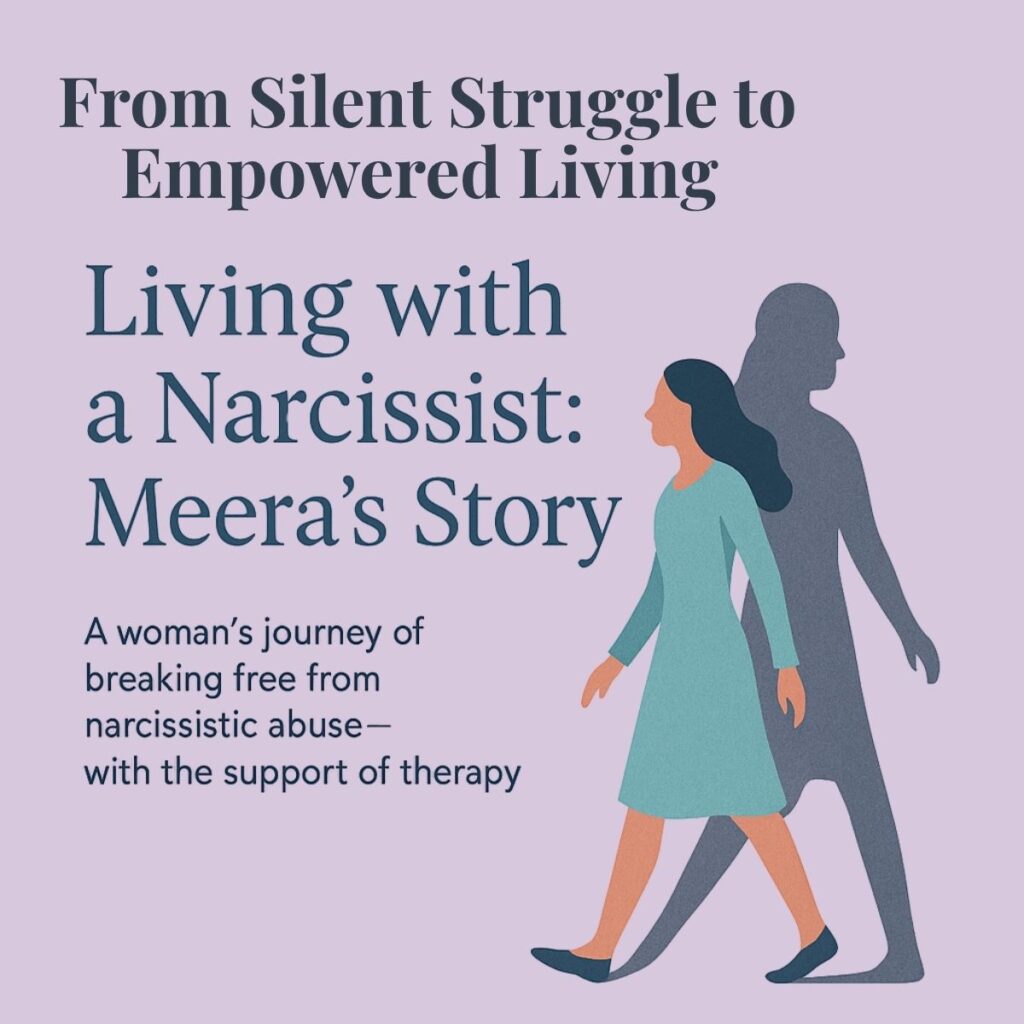
Healing from toxic relationships Is Your Partner Showing Narcissistic Traits? Here’s How to Spot the Red Flags Being in love can sometimes blur the lines between healthy admiration and emotional manipulation. If you’ve been feelingย offย in your relationship but canโ€™t quite put your finger on whyโ€”this might help. ย Here are a few signs your partner may have narcissistic traits: ย It’s always about them.ย Your needs and feelings often get dismissed or minimized. ย Charm that fades.ย They were incredibly charming in the beginning, but now use that charm to manipulate. ย No accountability.ย They never apologizeโ€”somehow, it’sย alwaysย your fault. ย Craves constant validation.ย They need admiration like air and get upset when they don’t receive it. ย Gaslighting.ย They make you question your memory, feelings, or reality. ย Control masked as care.ย They may dictate what you wear, who you talk to, or how you spend your time. ย Overreacts to criticism.ย Even the gentlest feedback is met with anger or defensiveness. ย If you’re constantly feeling drained, anxious, or like you’re walking on eggshells, itโ€™s okay to take a step back and reassess. ย Awareness is the first step to empowerment.You deserve love that uplifts, not one that diminishes your light. #MentalHealthMatters #ToxicRelationships #NarcissisticTraits #EmotionalAbuseAwareness #KnowTheSigns #RelationshipHealth #HealingJourney #YouAreNotAlone

Narcissistic partner signs Read More ยป

Therapy for Professionals.

Toxic workplace When Work Becomes a Battlefield โ€” A Therapistโ€™s Perspective on Healing from a Toxic Workplace. I first spoke from Priya on a Thursday afternoon โ€” the kind of day that quietly mirrors emotional heaviness. She phoned me with a calm, composed exterior, but her voice told a different story. There was weariness in her tone โ€” not the kind that comes from lack of rest, but the deeper kind that comes from fighting invisible battles every single day. Priya was a high-achieving marketing manager in her mid-thirties. On paper, she was thriving: promotions, recognition, and a resume most people would envy. But beneath that surface, she was unravelling. She spoke of a work environment laced with passive aggression, unrealistic demands, and a constant undercurrent of anxiety. โ€œItโ€™s like Iโ€™m always bracing for impact,โ€ she said in one of our early sessions. What made her reach out for help wasnโ€™t a breakdown, but something quieter โ€” and in many ways, more heartbreaking. She had forgotten her fatherโ€™s birthday. That one lapse became a mirror. โ€œWho am I becoming?โ€ she asked me, not expecting an answer, just aching for clarity. What Therapy Looked Like In the beginning, we didn’t start with solutions. We started with space. Space to exhale. Space to name the unnamed โ€” the microaggressions, the chronic invalidation, the guilt she carried for things that werenโ€™t hers to own. In that sacred space, her silence began to speak louder than her words. I didnโ€™t just see burnout. I saw someone grieving โ€” the loss of joy, of identity, of boundaries blurred by corporate chaos. So we began the slow work of stitching her sense of self back together. Unlearning, Reclaiming, Rebalancing We worked on reframing the internal narratives โ€” the โ€œIโ€™m not doing enough,โ€ โ€œI canโ€™t afford to drop the ball,โ€ and โ€œIf I donโ€™t say yes, Iโ€™ll be seen as difficult.โ€ We explored where those beliefs were born, often tracing them back to childhood patterns of earning love through performance. Boundary work was central. We practiced the art of saying no โ€” gently, firmly, without apology. Together, we designed rituals for ending the workday: shutting the laptop at 7 PM, taking intentional pauses, and even deleting her work email from her phone โ€” a small act of rebellion that felt revolutionary. I introduced her to somatic grounding techniques, which helped her come back to her body โ€” something she hadnโ€™t done in years. Breathwork, journaling, movement โ€” these werenโ€™t just coping tools; they became anchors. And then came the return to joy. Priya rediscovered painting, started spending Sundays offline, and began to reclaim her evenings for herself and her loved ones. It wasnโ€™t about balance in the strict sense โ€” it was about realignment with what mattered most. The Transformation Six months later, Priya wasnโ€™t just functioning โ€” she was living. She had shifted teams, redefined her work boundaries, and was no longer carrying the weight of her job home in her body or her spirit. She told me, โ€œI no longer feel the need to prove my worth. I just know it now.โ€ The lightness in her voice during that session still stays with me. It reminded me why I do this work. Reflections from the Therapy Room Working with Priya reaffirmed something Iโ€™ve witnessed many times โ€” that toxic work cultures donโ€™t just drain our energy, they distort our identity. And healing is not just about learning to cope, but about remembering who we were before the world told us who we had to be. Therapy, in her case, wasnโ€™t a rescue mission. It was a reclamation. Of time. Of truth. Of self. If you find yourself constantly shrinking to fit into spaces that donโ€™t honour your humanity, know this: there is nothing wrong with you. Sometimes, itโ€™s the system thatโ€™s broken โ€” not you. And healing? Itโ€™s not just possible. Itโ€™s powerful.

Therapy for Professionals. Read More ยป

Premarital counselling in Delhi

Premarital counselling in Delhi

We Thought Love Was Enoughโ€ โ€“ How Premarital Counseling Transformed Our Relationship Introduction Why a Happy Couple Still Chose Premarital Counseling ย Aanya and Raghav (names changed) had what looked like the perfect love story. Five years together, shared memories, dreams of a future, and a ready-to-go wedding hashtag. So, why did they walk into a counselling room? Session Insightsย  What They Learned in Counselling โ€“ Session by Session. Session 1ย  โ€œWe Communicate Really Wellโ€โ€ฆ Or Do We? โžก๏ธ They spoke oftenโ€”but didnโ€™t truly listen.โžก๏ธ They learned to listen with empathy and validate without fixing. Lesson: Deep love still needs intentional communication. Session 2ย  The Unspoken โ€œDealbreakersโ€ โžก๏ธ A surprise revelation about moving abroad sparked tension.โžก๏ธ Assumptions they never questioned surfaced. Lesson: Honest dialogue prevents future disconnect. Session 3ย  Facing the Past to Strengthen the Present โžก๏ธ Aanyaโ€™s childhood experiences shaped how she handled conflict.โžก๏ธ Raghav misunderstood her emotional responses. Lesson: Unhealed trauma can silently impact even the happiest couples. What Changedย  They Werenโ€™t Broken โ€“ But They Got Stronger โžก๏ธ Built emotional safetyโžก๏ธ Practiced real conflict resolutionโžก๏ธ Created a shared vision of the future Quote:โ€œPremarital counselling didnโ€™t fix us. We werenโ€™t broken. But it gave us a map we didnโ€™t know we needed.โ€ Final Thoughtย  Start Strong. Start Together. Love brings you together. But understanding, healing, and communication keep you together. ๐Ÿ”— Book a session today๐Ÿ”— Learn more about relationship therapy

Premarital counselling in Delhi Read More ยป

Inner child healing

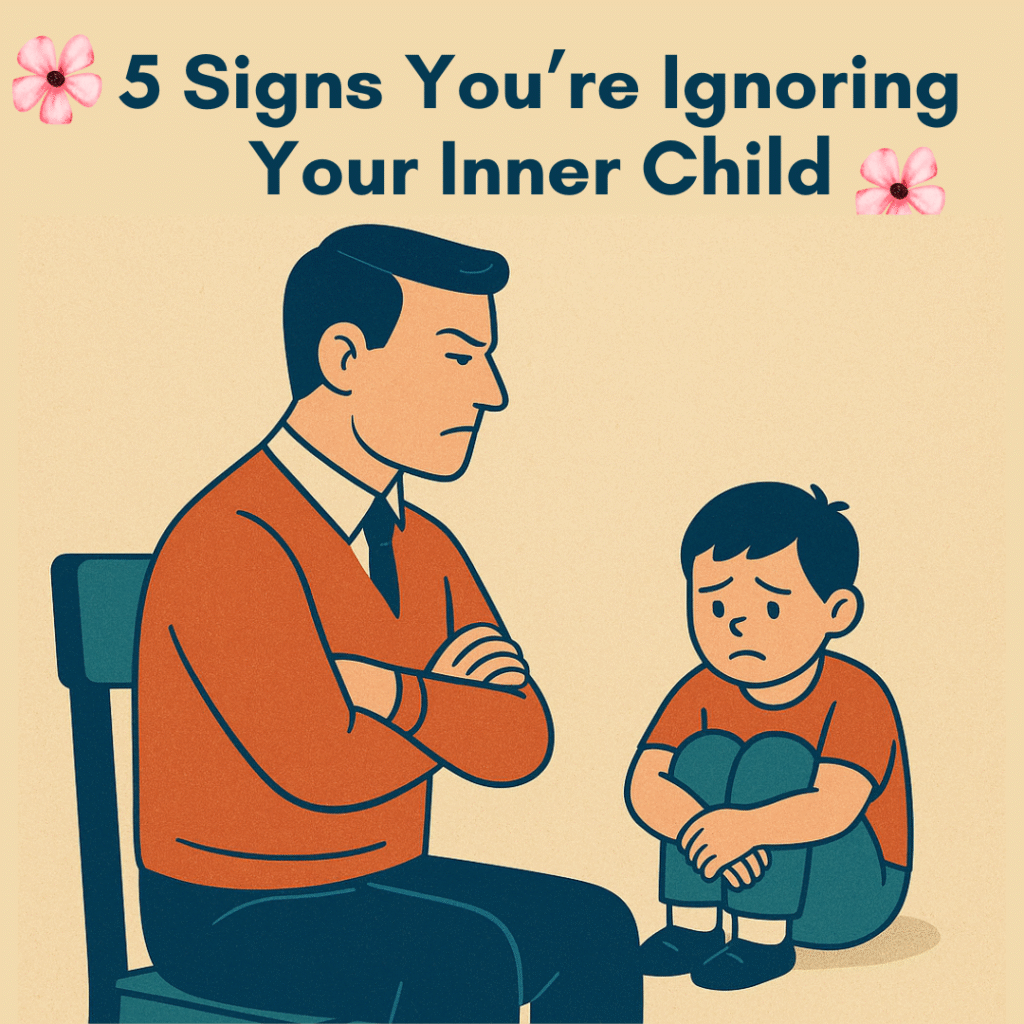
Childhood Trauma Therapy in Delhi We all have that little version of ourselves still insideโ€”the one who used to get lost in imagination, who laughed at silly things, and who didnโ€™t overthink every single choice. But somewhere along the way, between bills, responsibilities, and “adulting,” we started tuning that voice out. The problem? When we ignore our inner child, life starts feeling heavy. Joy becomes a luxury, self-doubt creeps in, and we forget how to just be. Hereโ€™s how to tell if your inner kid has been neglectedโ€”and what to do about it: 1.โ  โ Youโ€™ve Forgotten How to PlayRemember when an afternoon could disappear into a game of pretend or a pile of LEGOs? Now, if youโ€™re not “productive,” you feel guilty. But hereโ€™s the truth: Play isnโ€™t frivolousโ€”itโ€™s how we recharge. Try it: Blow bubbles, finger-paint, or just lie in the grass like you used to. 2.โ  โ Youโ€™re Way Too Hard on YourselfThat voice in your head that says, “You shouldโ€™ve done better”? Thatโ€™s not you talkingโ€”thatโ€™s the critic you built to protect yourself. Your inner child just wants a high-five for trying, not a lecture for not being perfect. 3.โ  โ You Shut Down Your EmotionsBig feelings were probably messy as a kidโ€”maybe you were told to “stop crying” or “toughen up.” Now, you might numb out or rationalize away sadness or anger. But emotions arenโ€™t flawsโ€”theyโ€™re signals. Let yourself feel them. 4.โ  โ You Dismiss Your Dreams Before You Even Try“Thatโ€™s not practical.” “Who do you think you are?” Sound familiar? Your inner child didnโ€™t care about “practical.” They wanted to be an astronaut, a rock star, a wizard. Maybe itโ€™s time to dust off an old dreamโ€”or at least stop smothering the new ones. 5.โ  โ You Keep Looking Outside for ValidationLikes, promotions, praiseโ€”if youโ€™re constantly waiting for someone else to say “Youโ€™re good enough,” itโ€™s because that little kid inside still isnโ€™t sure they are. But youโ€™re the grown-up nowโ€”you get to tell them: “You always were.” How to Start Healing? Talk to little you. Picture them. What did they need back then? Give it to them now. Let yourself want things. Even if they seem silly. Especially if they seem silly. You donโ€™t have to be a kid againโ€”just let that part of you breathe a little. Theyโ€™ve been waiting a long time. Your turn: Whatโ€™s something small you can do today to make your inner child smile? ๐ŸŒŸ Your turn: Whatโ€™s something small you can do today to make your inner child smile? ๐ŸŒŸ #InnerChildWork #SelfHealing #EmotionalHealth #MentalHealthSupport #TherapyForAll #HealingTools #TherapistTips

Inner child healing Read More ยป

Childhood trauma effects

Wounded Roots, Wild Branches: How Childhood Trauma Shapes Us โ€” and How Not to Pass It On We are all born open, curious, and unfilteredย โ€” wide-eyed little beings who learn about the world through connection.ย But what happens when that connection is inconsistent?ย Unsafe? Or worse โ€” painful? As a therapist, I often say:ย what isnโ€™t healed gets handed down. And childhood trauma is a quiet sculptor. It doesnโ€™t just live in our past โ€” it lives in how we love, how we cope, how we parent, and even how we speak to ourselves. What Is Childhood Trauma, Really? Not all trauma wears visible scars. Sometimes, itโ€™s: Being made to feel responsible for a parentโ€™s emotions Growing up with emotional neglect or constant criticism Witnessing conflict or chaos without the safety of explanation Being loved conditionally โ€” only when we were quiet, helpful, or โ€œgoodโ€ These experiences send subtle, enduring messages: “I must earnย love.”“Myย needsย are too much.”“Emotionsย are dangerous.”“I am theย problem.” How Childhood Trauma Shows Up in Adulthood Even when we grow older, those childhood scripts donโ€™t just disappear โ€” they become our operating systems: We overcompensate at work or in relationships, constantly trying to “prove” ourselves We shut down emotionally, because vulnerability never felt safe We react strongly to rejection or criticism, echoing childhood shame We become hyper-controlling โ€” of situations or people โ€” in an attempt to feel secure Or, most heartbreakingly, we repeat the very patterns we swore weโ€™d never recreate as parents How Trauma Transfers to the Next Generation Unhealed trauma doesn’t only shapeย usย โ€” it shapes how we raise the next generation. A parent who never felt heard may struggle to listen without fixing. A parent who wasnโ€™t allowed to feel may unintentionally shut down their childโ€™s emotions. A parent raised in fear may over-discipline, confusing control for protection. ย  Weย donโ€™tย do this because weโ€™re bad parents. Weย doย this because no one showed us another way. Breaking the Cycle:ย Awareness + Action The good news? Patterns can be rewritten. Cycles can end. Healing is always possible. Hereโ€™s how to begin: Know your story:Reflect on your own childhood, not to blame, but to understand. What did love look like? Safety? Conflict? Normalize emotional expression:For yourself and your children. Itโ€™s okay to cry. Itโ€™s okay to be angry. Emotions are not bad โ€” they are information. Respond, donโ€™t react:Pause when triggered. Ask yourself: โ€œIs this about my child โ€” or about my inner child?โ€ Offer repair, not perfection:You will mess up. What matters is owning it, apologizing, and showing your child what healthy accountability looks like. Do your inner work:Therapy is not just for crises. Itโ€™s a safe space to unlearn, to feel, and to grow. When you heal yourself, your child benefits โ€” even if they never know how much. Final Thoughts You may not have chosen your childhood. But youย canย choose your legacy. Every conscious pause, every healed wound, every moment of emotional honesty โ€” it all adds up. You donโ€™t have to be a perfect parent, partner, or person. You just have to be present, intentional, and willing to grow. Let the cycle break with you. Not because you were broken โ€” But because you areย brave.

Childhood trauma effects Read More ยป

Anamikaโ€™s Journeyโ€‹

Anamikaโ€™s Journey Betrayal. Heartbreak. A marriage on the edge. Anamika (name changed), a 36-year-old woman from NCR, approached me, carrying a storm within her. She had caught her husband, Mohit, exchanging intimate messages with a colleague. Her world shattered in an instant. She wasย angry, devastated, and resentfulโ€”ready to walk away. But when I asked her,ย โ€œWhat do you truly want?โ€ย her initial responseโ€””I want him out of my life”โ€”didnโ€™t seem fully aligned with her emotions. By the third session, clarity emerged:ย She wanted to save her marriage.ย Not just for their 7-year-old son, but also for the love they once shared. ย The Underlying Patterns Through therapy, we unearthed deeper issues: ย Mohitโ€™s childhood traumaโ€”growing up in financial instability, losing his father with unpaid debts, and carrying the burden of responsibility. His attraction to power & securityโ€”the other woman was financially independent and assertive, traits he unconsciously wished to see in Anamika. ย His emotional withdrawalโ€”working late, drinking more, and becoming distant in their marriage. Meanwhile, Anamika had beenย a loved child, who had fought against societal odds to marry Mohit. Leaving wasnโ€™t just about herselfโ€”it meant facing judgment, shame, and a sense of personal failure. She wasnโ€™t ready to give up, but she also couldnโ€™t stay the way she was. โœจ Astro-Psychological Analysis: To gain a deeper insight into their emotional and behavioral patterns, we used an astro-psychological approach. ย Mohitโ€™s planetary placementsย indicated deep-seated insecurity โ€” signifying struggles with financial matters and father-related trauma. Anamikaโ€™s chart showed certain combinations, making her highly emotional, love-driven, and committed to relationships despite hardships. The planetary transits at the time of the crisis indicated a karmic test in their relationshipโ€”forcing both partners to feel emotionally overwhelmed. Understanding these cosmic influences helped Anamika make peace with her emotions. Therapy & Transformation The journey ahead was not about “winning him back” but about regaining her own strength. Emotional Boundaries No more people-pleasing. She stopped seeking validation from Mohit and started sleeping in a separate room with their son. No Physical Intimacy As difficult as it was, she withdrew from physical affection, ensuring Mohit felt the emotional distance. Shifting Focus Instead of obsessing over Mohit, she engaged deeply with her son, ensuring he absorbed minimal negativity. Playdates, weekend outings, and quality time became her priorities. Over the months, these small but intentional shifts triggered a reflection within Mohitโ€”an insecurity, a realization of what he was about to lose. By month seven, he came forward, apologizing and pledging to rebuild their bond. Unanswered Questionsโ€ฆ ย Will Anamika ever be able to trust Mohit the same way again? Will Mohit truly stay committed? Will their marriage ever regain its past warmth? These questions remain open-ended. But one truth stands:ย Anamika made a choice.ย And she made peace with it. Many might say she should have left, but therapy isn’t about dictating choices. Itโ€™s aboutย empowering individuals to make their own, with clarity and strength.ย My role wasnโ€™t to tell her what to do, but to ensure that whatever she chose, she did it from a place of power, not fear.

Anamikaโ€™s Journeyโ€‹ Read More ยป

Relationship Counselling in Delhi

Relationship Counseling in Delhi

Relationship Counselling in Delhi Marriage Counselling by Astro Psychologist Prince Dhawan in Delhi NCR Marriage & Relationship Counsellor The Truth About Love & Relationships: Are You Really Listening? Most couples I meet tell me that their relationship is falling apart because “there is no love.” When I hear this, I often ask:ย When was there love?ย And more often than not, my question is met with a long, telling silence. As a psychologist, Iโ€™ve come to realize that love is one of the most overrated concepts in relationships. Many couples function smoothly as long as one partner suppresses their true self and simply responds to the otherโ€™s expectations. But the moment they start expressing their own needs, feelings, and opinionsโ€”suddenly, the relationship starts to crack. The Real Issue: Lack of Emotional & Physical Connection A major concern I frequently hear from couples is their diminishing physical intimacy. Some havenโ€™t been intimate in weeks or even months. Women, in particular, express that their partners donโ€™t truly understand their physical and emotional needs. When intimacy does happen, it often lacks warmthโ€”no foreplay, no cuddles, no tendernessโ€”just a mechanical act. Yet, ironically, many partners openly notice and admire other people. Some even admit that external attractions serve as their rare spark for physical intimacy. This disconnection in relationships doesnโ€™t happen overnightโ€”itโ€™s a gradual erosion, left unchecked until resentment builds to a breaking point. The Unspoken Words That Destroy Relationships Many people avoid expressing their feelings because they fear hurting their partner. But hereโ€™s the paradoxโ€”silence does more damage than honesty ever will. When emotions, needs, and concerns go unspoken, they donโ€™t disappear; they pile up like an emotional ticking time bomb. And by the time couples finally reach a therapistโ€™s office, they are often drowning in resentment, sadness, or even the aftermath of an extramarital affair. Is Your Relationship Drifting Apart Under Lifeโ€™s Pressures? Find Clarity, Heal Deep Wounds, and Rebuild Connection with Expert Guidance from Psychologist Prince Dhawan Relationships can be one of lifeโ€™s greatest sources of joyโ€”but when they start to break under the weight of misunderstandings, emotional distance, or unresolved pain, it can feel lonely and confusing. If youโ€™re struggling to reconnect, constantly arguing, or simply feeling unseen, Prince Dhawan can help you rediscover peace and understanding. A trusted name in relationship and emotional healing, Prince Dhawan has guided countless individuals and couples toward healthier communication, stronger emotional bonds, and lasting change. His sessions go beyond surface-level adviceโ€”they create a safe, non-judgmental space where you can explore your feelings, uncover hidden wounds, and learn tools to rebuild your connection with empathy and awareness. What sets Prince apart is his therapeutic depth and holistic approach, rooted in psychology and emotional wellness. From relationship counseling and childhood trauma therapy to grief and ventilation therapy, his methods are designed to heal from withinโ€”empowering you to grow, both individually and together. If your relationship feels stuck, if communication feels impossible, or if your heart simply needs healingโ€”donโ€™t wait for things to fall apart. Let Prince Dhawan help you rediscover the understanding, trust, and love you both deserve. What Can You Do? ย Speak Up โ€“ The foundation of any strong relationship is open communication. If something is bothering youโ€”emotionally, physically, or mentallyโ€”say it before the distance grows too wide. ย Emotional & Physical Connection Matters โ€“ A relationship isnโ€™t just about being together; itโ€™s about truly feeling together. Prioritize intimacy, affection, and quality time with your partner. ย Donโ€™t Wait for the “Right Moment” โ€“ One of the greatest gifts humanity has is communication. Donโ€™t save your words for a later dayโ€”that rainy day is today. If youโ€™re feeling unheard or undervalued despite your efforts, it may be time to take a deeper look at your relationship. Final Thoughts A fulfilling relationship isnโ€™t about avoiding difficult conversationsโ€”itโ€™s about embracing them. Life is too short to live in silent dissatisfaction. Be honest, be open, and if your efforts go unrecognized, know that you have every right to take a stand for your own happiness. The Importance of Marriage and Marital Counseling “Marriage counseling” is a term thatโ€™s frequently searched online. However, when it comes to seeking it in real life, many still face stigma, reluctance, and inhibitionโ€”even when their marriage is on the verge of falling apart. In my experience assisting individuals and couples with relationship issues, Iโ€™ve often observed that initial sessions are focused on understanding the partners’ intentionsโ€”whether they wish to save the marriage or part ways. Once clarity is established, tailored action plans can be formulated to address the specific situation. Common Causes of Marital Conflict Couples may have various reasons for discord, but many issues can be traced back to a pattern I call ICA: Ignorance: Ignoring issues rather than addressing them. Confrontation: Focusing on arguments and fights rather than finding solutions. Avoidance: Emotionally or physically distancing from one another. In such times, itโ€™s common to turn to friends, relatives, or colleagues to vent frustrations and seek advice. While well-intentioned, this advice often carries biases and personal prejudices, which may not serve the best interests of the relationship. Why Seek Marriage Counseling Early? Just as we donโ€™t let physical discomfort fester before consulting a doctor, we shouldnโ€™t wait for subtle signs of marital distress to escalate into something more serious. Timely intervention through marriage counseling can prevent small issues from snowballing into major crises. Consider these shifts: Replace ignorance with Addressal. Replace confrontation with Resolution. Replace avoidance with Acknowledgment. The Complexity of Relationships Relationships are far more intricate than they seem. They involve not just the emotions of two individuals but also their past experiences, upbringing, perceptions, and personal baggage. These factors often lead to contrasting reactions to the same situations, creating misunderstandings and conflicts. The Benefits of Timely Counseling Seeking professional counseling at the right time can save you from significant mental, emotional, and even physical distress. Donโ€™t wait for problems to become unmanageable or for resentment to take root. The first signs of troubleโ€”the “seepage” in your relationshipโ€”are red flags that shouldnโ€™t be

Relationship Counseling in Delhi Read More ยป

Relationship success

Compatibility vs. Adaptability The Key to a Stronger Relationship People often say, “We have compatibility issues,” as if relationships are like assembling a tech deviceโ€”where every piece must perfectly fit to function. But hereโ€™s the truth: people arenโ€™t products. Products are designed and manufactured with built-in compatibility. People, on the other hand, are unique individuals with their own personalities, emotions, and life experiences. So, is compatibility really the problem? Or is it adaptability? The Compatibility Myth Weโ€™ve been conditioned to believe that compatibility is the secret to a successful relationship. We look for partners who share our interests, values, or even favorite TV shows. But what happens when life throws challenges our way? When opinions shift, priorities change, and circumstances evolve, is compatibility enough to sustain love? The reality is, even the most “compatible” couples face struggles. Differences will always exist, no matter how similar two people appear to be. What truly makes a relationship thrive is the willingness to adapt, adjust, and grow together. Why Adaptability Matters More A strong relationship isnโ€™t about finding someone who effortlessly fits into your life. Itโ€™s about two individuals willing to evolve together. Adaptability means: Embracing Change: Life is unpredictable. Jobs change, families expand, personal interests shift. Couples who adapt to change together remain strong through transitions. Effective Communication: Itโ€™s not about agreeing all the time but about being able to navigate differences with mutual respect and understanding. Emotional Intelligence: Recognizing your partnerโ€™s needs, emotions, and responses and adapting your approach to support them strengthens the bond. Resilience: When conflicts arise, adaptable couples donโ€™t give upโ€”they work through them, learning and growing from every challenge. How to Cultivate Adaptability in Your Relationship Shift Your Mindset โ€“ Stop searching for perfection and embrace the beauty of growth and change. Practice Active Listening โ€“ Understand your partnerโ€™s perspective without rushing to defend your own. Be Open to Compromise โ€“ Adaptability doesnโ€™t mean losing yourself, but rather finding a middle ground where both partners feel valued. Embrace Individual Growth โ€“ Personal development leads to collective strength. Encourage each other to evolve rather than resist change. Stay Curious โ€“ The person you love today might not be exactly the same in five years. Keep rediscovering each other. The Bottom Line Instead of worrying about compatibility, start focusing on adaptability. Relationships aren’t about finding someone who perfectly fits into your life from day one; theyโ€™re about building a life together, learning, adjusting, and evolving along the way. Love isnโ€™t about avoiding differencesโ€”itโ€™s about learning how to dance with them. #AdaptToLove #RelationshipsMatter #LoveIsAGrowthProcess

Relationship success Read More ยป

Childhood Trauma

Childhood Trauma can have a significant impact on adult relationships, sculpting how individuals form, develop & grow their emotional & physical bonds & dependency. Here are a few key ways it manifests: Association & Attachment Issues Dysregulated Emotions: Excessive or constant mood swings, emotional outbursts & showdowns Highly sensitive towards rejection, criticism & perceived neglect. Issues Related to Low Self Esteem / Self Worth: Fear of Betrayal Easy to feel betrayed and difficulty in trusting others because of past neglect in relationships  Socially disengaging & are not comfortable interacting with new people. Are under constant fear of being judged! Repetition of Past Trauma (Reenactment)  Hyper-Independence or Codependency Fear of Conflict or Overreacting to It Avoiding disagreements to prevent emotional pain. Reacting intensely to minor conflicts due to unresolved past wounds.

Childhood Trauma Read More ยป

You cannot copy content of this page

error: Content is protected !!
Scroll to Top